


"Trending Top UGC-approved online universities Learn smarter. Grow faster. Succeed anywhere."


"Trending Top UGC-approved Regular universities Learn smarter. Grow faster. Succeed anywhere."
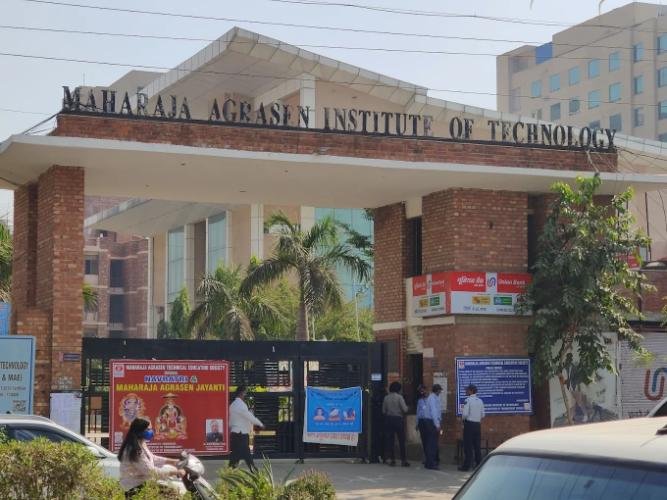
Maharaja agrasen Institute of technology Delhi
NIRF Ranking - 201-300
B.Tech Fee - Approx 186000 / per year
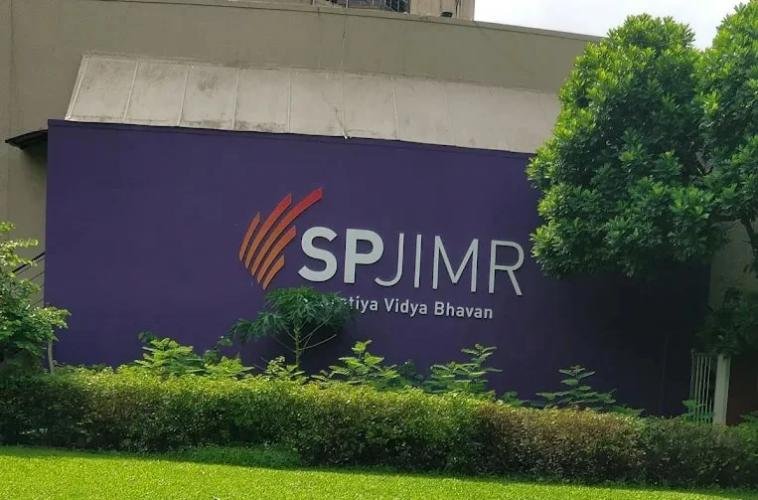
S.P. Jain Institute of Management and Research (SPJIMR), Mumbai
NIRF Ranking - 20
MBA Fee - Approx 10-13 L per year
-min.jpg)
SVKM's Narsee Monjee Institute of Management Studies (NMIMS), Mumbai
NIRF Ranking - 24
MBA Fee - Approx 10-13 L per year
-min.jpg)
Symbiosis Institute of Business Management (SIBM), Pune
NIRF Ranking - 11
MBA Fee - Approx 12-13 L per year
-min.jpg)
K. J. Somaiya Institute of Management Studies and Research, Mumbai
NIRF Ranking - 65
MBA Fee - Approx 10-11 L per year
-min.jpg)
Prin. L. N. Welingkar Institute of Management Development & Research (WeSchool), Mumbai
NIRF Ranking - 75
MBA Fee - Approx 16-7 L per year
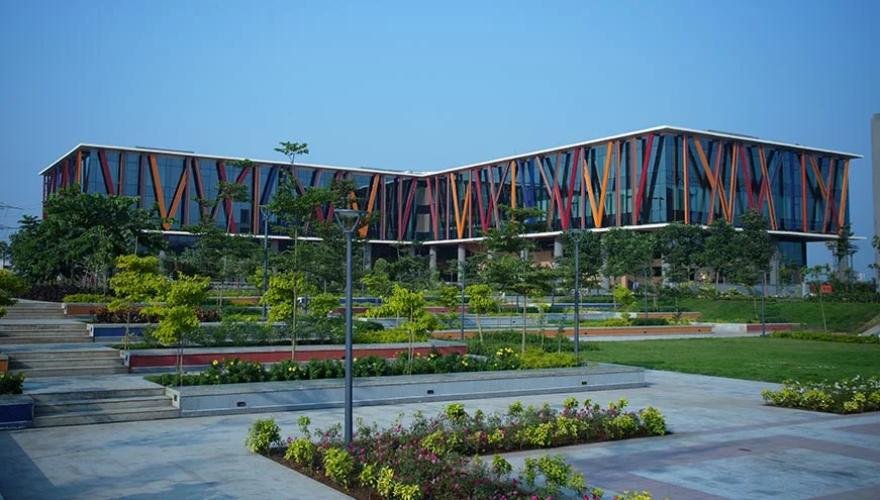

-min.jpg)
Symbiosis Centre for Management and Human Resource Development (SCMHRD), Pune
NIRF Ranking - NA
MBA Fee - NA
-min.jpg)
Symbiosis Institute of International Business (SHB), Pune
NIRF Ranking - NA
MBA Fee - Approx 9-10 L per year
-min.jpg)
Alliance University / Alliance School of Business, Bengaluru
NIRF Ranking - 71
MBA Fee - Approx 6.5-7.5 lakh / per Year
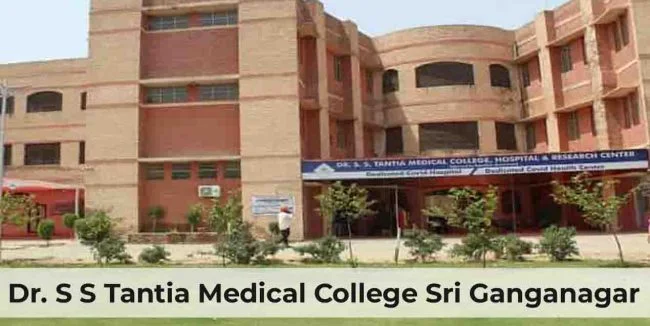
Dr. S.S. Tantia Medical College, Hospital & Research Centre, Sri Ganganagar
NIRF Ranking - NA
MBBS Fee - Approx 21.75L / 28.75L
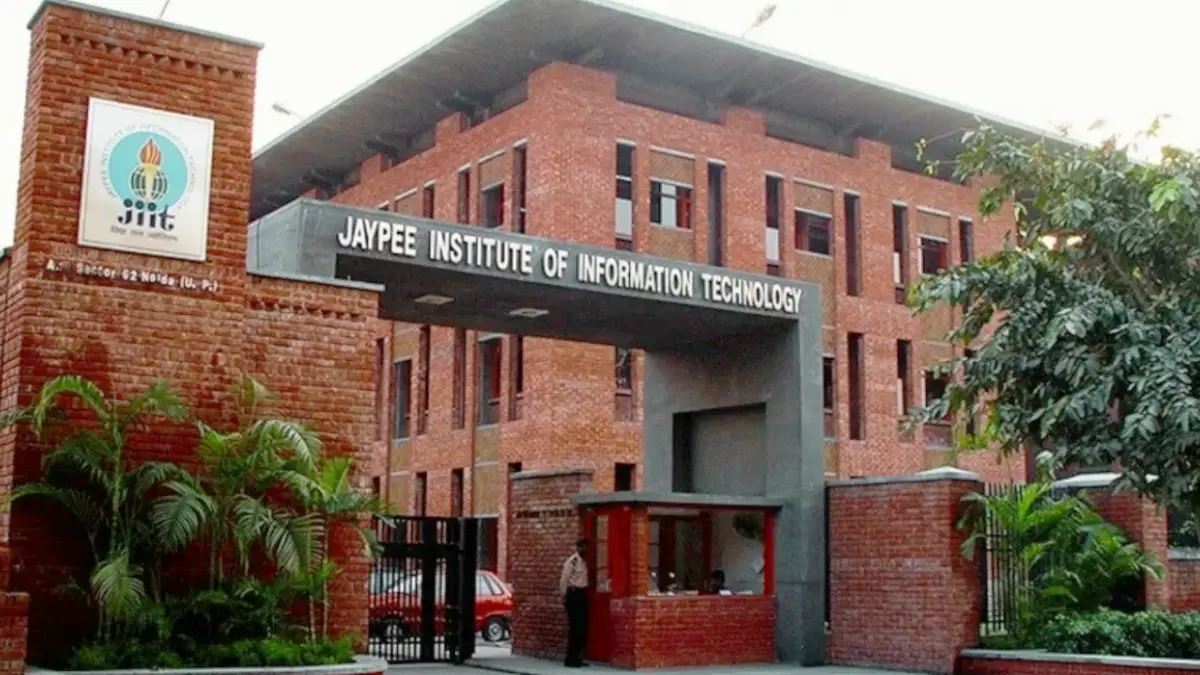
Jaypee institute of information technology, (JIIT) Greater Noida
NIRF Ranking - 101-150
B.Tech Fee - Approx 2500000/ per year
, Greater Noida.jpg)
Greater Noida Institute of technology, (GNIOT), Greater Noida
NIRF Ranking - 300+
B.Tech Fee - Approx 180000 / per year

-min.jpg)
.jpg)
Rayat Bahra University, Mohali (School of Law)
NIRF Ranking - NA
Law Fee - Approx 1.5L-3.5L / per year
-min.jpg)
NSHM Knowledge Campus (Kolkata / Durgapur)
NIRF Ranking - NA
MBA Fee - Approx 2.5-3.5 lakh / per Year
Symbiosis Institute of Business Management (SIBM), Pune
NIRF Ranking - 11
MBA Fee - Approx 12-13 L per year
IQ City Medical College, Durgapur
NIRF Ranking - NA
MBBS Fee - Approx 21,88,000 per year (management quota)

LNCT Medical College & Sewakunj Hospital Indore
NIRF Ranking - NA
MBBS Fee - Approx 13.2 lakh / per year

KJ Somaiya Medical College & Research Centre, Mumbai
NIRF Ranking - NA
MBBS Fee - Approx 12 - 35 lakh / per year
.jpg)

, Pune.jpg)
Army Institute of Technology (AIT), Pune
NIRF Ranking - 201-300
B.Tech Fee - Approx 6.76 lakh / per year
.jpg)
New Horizon college of engineering Banglore
NIRF Ranking - 151-200
B.Tech Fee - Approx 250000 / per year


PHD/Doctrate
PhD (Doctor of Philosophy)
PhD (Doctor of Philosophy) is the highest academic degree awarded by a university to a student. There is no higher level of formal academic study beyond a PhD.
It is an internationally recognized academic qualification, and after successfully completing it, a scholar is entitled to use the title “Doctor” before their name.
A PhD involves conducting deep and original research in a specific subject area. During this process, the researcher is expected to develop new knowledge, ideas, or perspectives and make a meaningful contribution to the existing body of knowledge. Based on this research work, the scholar prepares a detailed thesis, which is submitted to their research supervisor (guide).
The submitted thesis is carefully examined and evaluated. After approval by the research supervisor, it is verified by the Head of the Department. Before final submission, the research work is assessed by a committee of subject experts. At this stage, the scholar appears for an open viva-voce examination, where they are required to answer questions raised by the experts related to their research. Once the committee is satisfied, the thesis is recommended for further processing. Finally, the approved thesis is submitted to the University Examination Section.
After a certain period, the university issues a provisional PhD certificate. Since a PhD is the highest academic degree awarded by a university, its dignity and academic value are upheld by conferring the final degree during the university’s convocation ceremony with due honor and recognition.
While selecting a subject for a PhD, a candidate’s academic background and personal interest are considered the most important factors. As a PhD is a long-term academic commitment, usually taking three to five years to complete, the subject should be chosen carefully. Most students prefer to pursue a PhD in a subject related to their postgraduate studies. However, according to the latest UGC regulations, candidates are now allowed to pursue a PhD in a discipline different from their postgraduate field.
To pursue a PhD, several national-level eligibility examinations are considered important. These include CSIR-NET for science subjects such as Physics, Chemistry, and Biology; UGC-NET for Arts, Commerce, and Humanities; GATE for Engineering and Technology disciplines; and ICAR AICE JRF/SRF for Agricultural Universities. After qualifying in any of these examinations, candidates become eligible to apply for PhD admission in universities across India.
Candidates who have not qualified for these national-level examinations can also seek admission by clearing the entrance tests conducted by individual universities or reputed institutions.
Students who qualify for national-level fellowship examinations such as UGC-NET JRF, CSIR-NET JRF, ICAR AICE, or GATE are eligible to receive a scholarship during the PhD program. Initially, a Junior Research Fellowship (JRF) is awarded for the first two years. After a review of research progress, scholars are promoted to a Senior Research Fellowship (SRF) for the next three years, with an increased fellowship amount. Some universities and institutions also provide their own fellowships to PhD scholars.
If a student takes admission in a private university or secures admission without qualifying for any national-level examination or fellowship, the course fees must be borne by the student.
After completing a PhD, a wide range of career opportunities become available. One can join a university or college as an Assistant Professor or work as a research scientist in prestigious government organizations such as DRDO, ISRO, CSIR, and other national research institutes. PhD graduates can also build careers as subject experts. Many pharmaceutical companies, data science firms, corporate organizations, and industrial research and development units recruit PhD holders for research-oriented roles and offer good career growth along with competitive salary packages.
Overall, a PhD degree is regarded as a highly prestigious and respected academic qualification, symbolizing expertise, dedication, and a significant contribution to knowledge.
What Do You Do in a PhD?
-
Conduct in-depth research on a specific topic
-
Study existing theories and identify gaps
-
Collect data through experiments, surveys, interviews, etc.
-
Publish research papers in journals
-
Write a detailed thesis/dissertation
-
Defend your research in a final viva-voce
Benefits of Doing a PhD
-
Gain the respected title “Dr.”
-
Highest qualification
-
Become an expert in your field
-
High salary career options
-
Opportunity to work as a scientist or professor
-
Ability to contribute new knowledge to society
Subjects Available for PhD
A PhD can be pursued in almost every field, such as:
-
Engineering
-
Computer Science / AI
-
Management / Commerce
-
Education
-
Arts & Humanities
-
Medical & Life Sciences
-
Agriculture
-
Law
-
Economics
-
Physics / Chemistry / Mathematics
-
Psychology
-
Social Sciences
-
Literature
Eligibility for PhD
Minimum Qualification
-
Master’s Degree (MA, MSc, MCom, MBA, MTech, etc.)
-
Minimum 55% marks (some universities accept 50%)
Direct PhD
-
Direct PhD after B.Tech with 8+ CGPA
-
JRF-qualified candidates → Direct admission
Entrance Exams
Most common entrance exams in India include:
-
UGC NET
-
CSIR NET
-
GATE (for engineering fields)
-
University-level exams (DU, JNU, BHU, IIT, IGNOU, etc.)
NET-qualified candidates may also receive JRF (Junior Research Fellowship).
Enquire About This Course
"Explore Top Universities Abroad Learn smarter. Grow faster. Succeed anywhere."



Kellogg School of Management at Northwestern University, Evanston
MBA | NIRF Ranking - NA
Approx INR 89 Lakh | Evanston

University of Chicago Booth School of Business, United States
MBA | NIRF Ranking - NA
Approx INR 161,922 | United States
-min.jpg)
.jpg)

Ivane Javakhishvili Tbilisi State University, Tbilisi
MBBS | NIRF Ranking - NA
Approx INR 7 Lakh Per Year | Tbilisi





-min.jpg)

Our Step-by-Step Guide to Success
Clear guidance at every stage — simple, trusted and smooth process.
Connect With the Right Expert
Get accurate guidance from trusted advisors from the very beginning.
Select the Right Course
Choose the program that perfectly matches your eligibility and long-term goals.
Verify the Institution
Ensure the college or university is recognized and accredited.
Continuous Support Throughout
We guide you at every stage — from enrollment to course completion.
Frequently Asked Questions (FAQ)
Yes, collegenishchay.com is a credible and authentic platform that provides clear, updated, and accurate information about colleges, courses, and admissions. It is designed to help students make informed decisions with genuine and transparent guidance.
collegenishchay.com is designed to make your admission journey simple, clear, and reliable. We provide updated information on colleges, courses, fees, and eligibility so students can make the right choice without confusion. Our guidance is honest, easy to understand, and focused on what's best for your career. Whether you want a regular program or an online course, collegenishchay.com helps you compare options and choose confidently.
No, collegenishchay.com does not charge any fees from students, and there are absolutely no hidden costs. The platform is completely free for learners. Our service charges are provided directly by partnered universities or colleges, so students can use all features and guidance without paying anything.
A regular course is a classroom-based program where students go to the college every day and attend lectures in person. It follows a fixed timetable, includes practical sessions or labs when required, and provides a traditional campus experience with teachers and classmates. This mode is suitable for students who prefer face-to-face learning and a structured daily routine.
An online course is studied from home using a mobile, laptop, or computer. Classes are offered through the internet as live sessions or recorded videos, allowing students to learn at their own pace. There is no need to visit the campus, and attendance rules are flexible. This option is ideal for working professionals, distance learners, or anyone who wants more control over their study time.
Yes, the value of an online course degree is the same as a regular course degree, as long as the course is approved by the required authorities (such as UGC, AICTE, or any other official body). Employers accept online degrees because the syllabus, exams, and certification process follow the same standards.
The main difference is only in the mode of learning-regular courses are classroom-based, while online courses are studied from home. But the degree's value and recognit remain the same.
Before taking admission in an online course, you should check a few important things. First, make sure the university or institute is approved by UGC, AICTE, or any required authority. This ensures that your degree will be valid everywhere. Second, check the course details like syllabus, duration, exam pattern, and study material.
Also see whether the classes are live, recorded, or both, so you know how you will study. Look for student support, placement help, and whether the university provides proper certificates after completing the course. Finally, compare fees to make sure you are choosing a reliable platform.
Students Say About Us
Candidates Testimonials
Read what our students say about their experience with College Nishchay. Their words inspire us to keep helping students choose the right path for their future.

Madhvendra Pathak
M.Ed
I received excellent guidance from College Nishchay for my M.Ed admission. The counselling process was easy and informative. Very satisfied with their support.

Nanggom Gammi
B.Ed
I received excellent guidance from College Nishchay for my B.Ed admission. The counselling process was easy and informative. Very satisfied with their support.

Aman Sharma
MBA
College Nishchay guided me in choosing the right online MBA program. They made the admission process simple and hassle-free. Really happy with their counselling.

Rahul Verma
B.Tech
College Nishchay helped me find the right engineering course and college. The team gave me clear guidance at every step. I am really happy with their support.

Shushant Reddy
M.Ed
I received excellent guidance from College Nishchay for my M.Ed admission. The counselling process was easy and informative. Very satisfied with their support.

Anjali Gupta
B.Pharma
I received proper guidance from College Nishchay for my B.Pharma admission. The team explained the process very clearly. I am happy with their support.

Rohit Mishra
Bsc Nursing Abroad
College Nishchay helped me understand the study abroad admission process. Their guidance made choosing the right option much easier. A great counselling experience.
Get connected with us for trusted and reliable guidance
Have a question, need clarity, or looking for the right guidance? We're here to support you with honest information, practical insights, and personalized assistance. Connect with us today and take confident steps toward better decisions and meaningful outcomes.


